
There’s something almost magical about the smell of frying plantains wafting through a Guatemalan neighborhood. The aroma isn’t just about food—it signals hope, hustle, and the powerful urge to provide for loved ones. Not long ago, I found myself sitting around a weathered kitchen table with Angelica and her family, their hands busy prepping plantains and their minds swirling with dreams, worries, and faith. Their journey into the world of homemade snacks is as full of flavor and struggle as the chips themselves.
Starting a Plantain Chips Business: A Guatemalan Family’s Journey
Life hasn’t been easy for Angelica’s family in Guatemala. They’ve faced their share of challenges – from Jeremiah’s academic struggles to Chus’s relentless work schedule at the local block factory. But through it all, they’ve found ways to keep moving forward.
Despite passing his exams (thank goodness!), Jeremiah continues to face difficulties with his studies. His mother Angelica regularly seeks spiritual guidance and asks for prayers that her son will take responsibility for his education. Meanwhile, Chus barely sees his family, working literally seven days a week – Monday through Saturday at the block factory, and picking up additional work on Sundays. They need every quetzal they can earn.
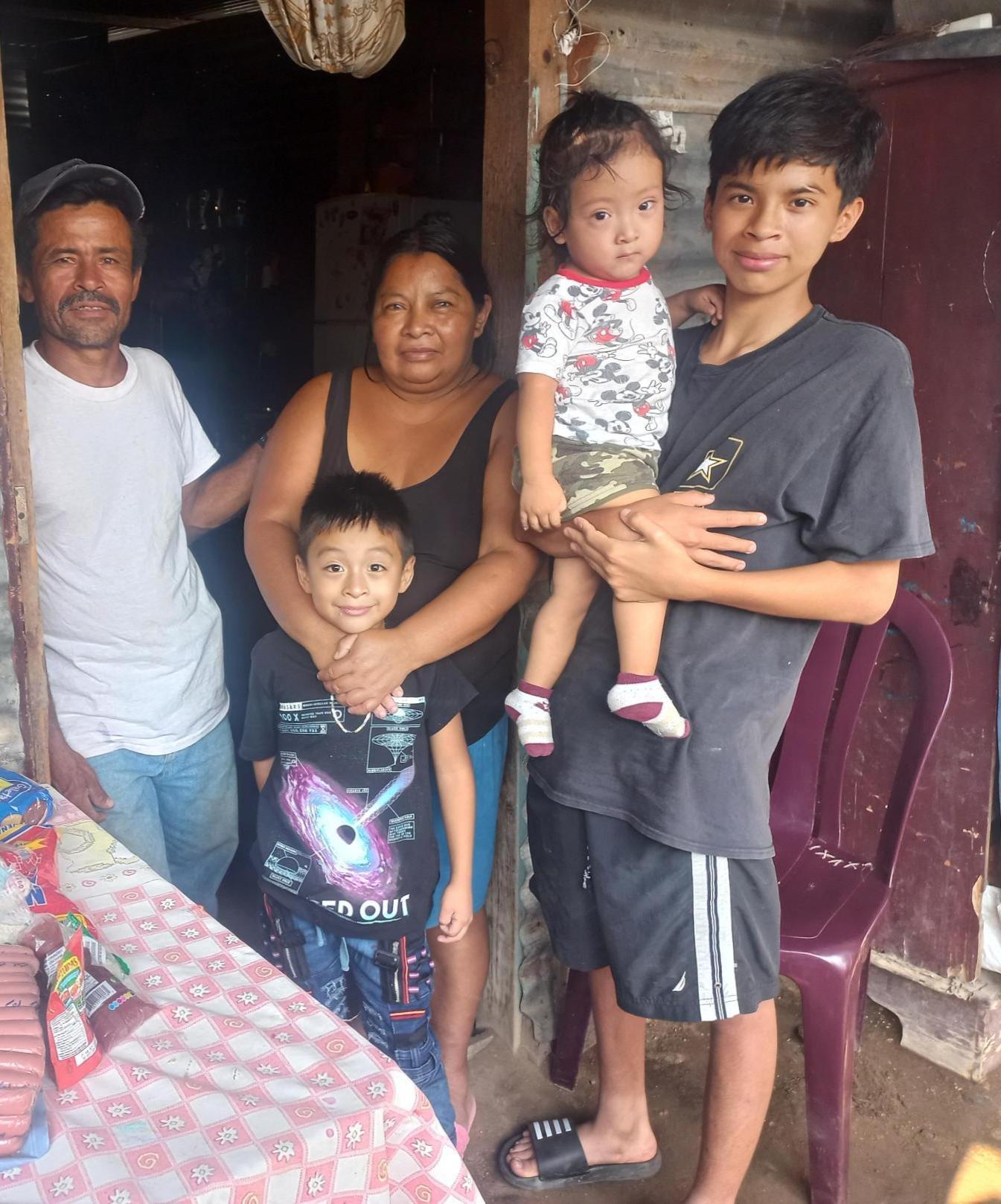
But here’s where things get interesting. Angelica isn’t just praying for help – she’s taking action by starting a small-scale snacks business selling fried plantain chips and atole, a traditional warm drink. This home-based business represents more than just income; it’s a path toward self-sufficiency.
Starting a plantain chips business in Guatemala makes perfect sense. The country has abundant access to plantains, and the snack is popular across all age groups. Plus, the startup costs are relatively low compared to other food ventures.
For anyone considering a similar path, sourcing plantains from local farmers is crucial. Building relationships with reliable suppliers ensures consistent quality and often better prices. In Guatemala, many small business owners visit local markets early in the morning to select the best produce.
The plantain chips processing is fairly straightforward but requires attention to detail. The plantains must be at the perfect ripeness – not too green and not too ripe. After peeling, they’re sliced thinly (either by hand or with a simple slicer), soaked briefly in salted water, and then fried to a golden crisp. Some producers add a sprinkle of salt or other seasonings while the chips are still hot.
Packaging and branding for plantain chips doesn’t need to be fancy to start. Many successful commercial plantain chips businesses began with simple clear bags and handwritten labels. As the business grows, investing in more professional packaging helps with brand recognition.
Angelica has also requested prayers for her father’s health, which has been declining. The family hopes that their fledgling business will not only provide additional income but perhaps eventually allow Chus to work less punishing hours.
Starting a home-based business like frying plantain chips can be transformative for families in Guatemala. It offers flexibility, requires minimal initial investment, and builds on traditional cooking skills many already possess.
Will Angelica’s plantain chips business succeed? Only time will tell. But with community support, determination, and faith, this family is creating their own path forward – one crispy plantain chip at a time.
TL;DR: Starting a plantain chips business in Guatemala is more than finding a recipe—it’s powered by family effort, deep faith, creative salesmanship, and the drive to rise above setbacks. Blessings, small wins, and a little bit of oil go a long way!
Comments are closed